Healthy Wellness Routines for Everyday Balance
Wellness Education • Lifestyle Habits • Updated 2026
Healthy wellness routines are often built through small consistent habits
that support balance, hydration, recovery, movement, stress management,
sleep consistency, and sustainable healthy lifestyle structure over time.
In today’s fast-moving world, many individuals are searching for healthier
ways to support their daily wellbeing without relying on unrealistic wellness trends.
Balanced routines may help create healthier lifestyle consistency while supporting
long-term sustainable living.
Wellness routines do not need to feel complicated or restrictive. In many
cases, healthy living begins with manageable daily habits that naturally fit
within everyday responsibilities and schedules.
Long-term wellness is often supported through realistic consistency,
balanced movement, hydration support, recovery habits, stress management,
and sustainable lifestyle structure.
Why Daily Wellness Habits Matter
Modern lifestyles often involve demanding work schedules, elevated stress,
digital overstimulation, inconsistent sleep habits, and reduced physical movement.
Over time, these lifestyle factors may influence routine balance and overall wellbeing.
Wellness-focused habits may support healthier daily structure while encouraging
greater awareness of movement consistency, recovery support, hydration,
balanced nutrition, and stress-management habits.
Many wellness educators now encourage individuals to focus on sustainable,
manageable improvements rather than extreme short-term routines.
The Importance of Consistency Over Perfection
One of the most important aspects of healthy living is consistency.
Many individuals feel overwhelmed by unrealistic expectations surrounding
wellness, lifestyle routines, and healthy habit perfection.
In reality, wellness routines often become more sustainable when they feel
balanced, flexible, and manageable within real-world responsibilities.
Small daily habits repeated consistently may support healthier long-term routines.
- Creating more balanced daily schedules
- Supporting hydration throughout the day
- Prioritizing healthier sleep routines
- Incorporating regular movement habits
- Reducing excessive screen exposure
- Supporting stress-management practices
These manageable habits may contribute to improved wellness consistency
and healthier long-term lifestyle structure.
Movement and Active Lifestyle Support
Physical movement is frequently discussed as an important aspect of
healthy living. However, modern wellness education increasingly focuses
on enjoyable and sustainable movement routines rather than unrealistic intensity.
Walking, stretching, yoga, mobility exercises, recreational activities,
and moderate movement routines may support healthier lifestyle balance
while remaining practical to maintain consistently.
Consistent movement may also support daily energy balance,
emotional wellbeing, recovery support, and healthier routine consistency.
Wellness-focused movement routines often become easier to maintain when
they feel practical, enjoyable, and supportive of everyday life.
Hydration and Daily Balance
Hydration is another important aspect of healthy lifestyle support.
Many wellness-focused individuals now prioritize balanced hydration habits
and healthier beverage choices throughout the day.
Consistent hydration routines may support healthier daily structure,
wellness consistency, and balanced lifestyle habits.
Practical hydration habits may include:
- Keeping water easily accessible throughout the day
- Reducing excessive sugary beverage consumption
- Supporting balanced nutrition habits
- Creating mindful self-care routines
Readers interested in exploring structured wellness-focused lifestyle education resources can visit the official Venus Factor website below.
Visit Official Website
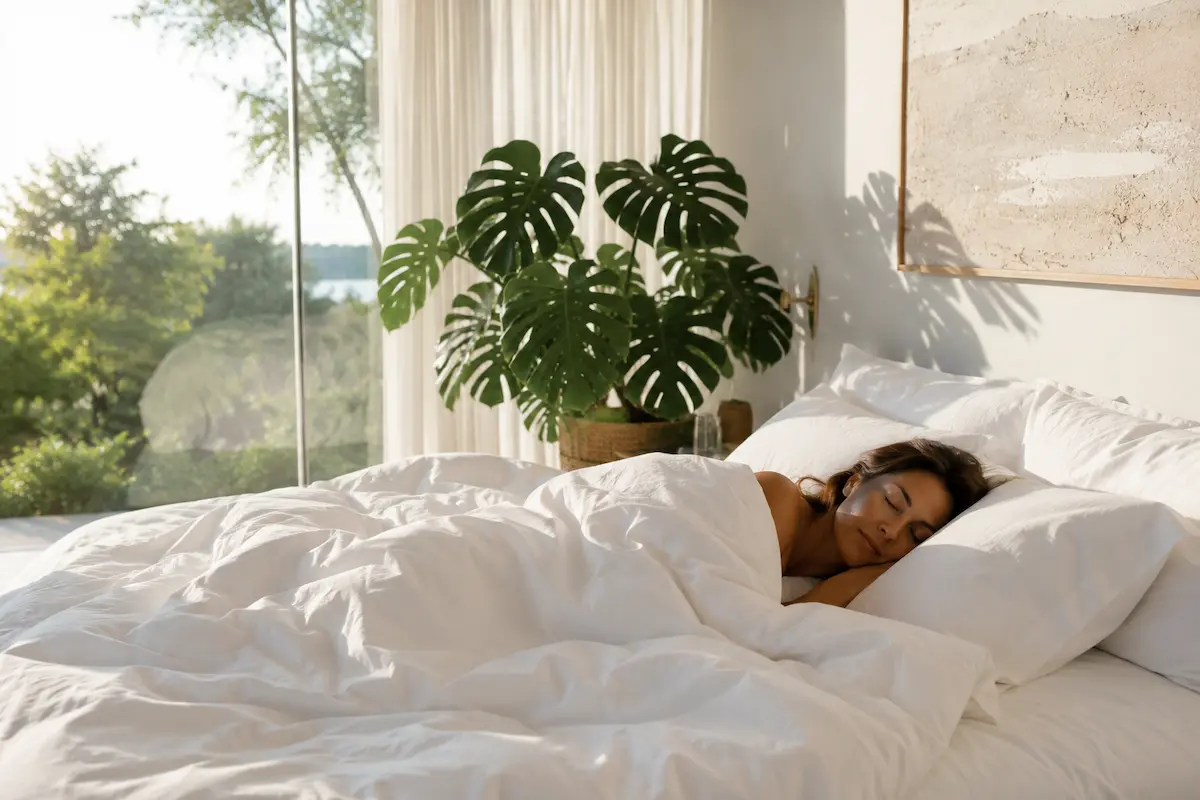
The Role of Sleep and Recovery
Recovery support is frequently considered one of the foundational
elements of healthy living. Sleep consistency may influence energy balance,
daily focus, emotional wellbeing, and overall routine structure.
Many individuals benefit from healthier evening habits such as:
- Reducing screen exposure before bedtime
- Maintaining more consistent sleep schedules
- Creating calmer nighttime routines
- Supporting relaxation and stress-management habits
While occasional disruptions are normal, consistent recovery habits
may contribute to healthier long-term wellness balance.
Managing Stress in Everyday Life
Stress management has become an increasingly important topic within
modern wellness education. Busy schedules, constant digital stimulation,
and demanding responsibilities may contribute to elevated stress exposure.
Many wellness professionals encourage realistic stress-management
support through mindfulness exercises, breathing techniques,
outdoor movement, journaling, relaxation practices, and healthier personal boundaries.
Sustainable wellness routines often aim to create balance rather than
adding additional pressure or unrealistic expectations.
Why Balanced Wellness Approaches Are Growing
Many individuals are moving away from highly restrictive wellness trends
and toward more balanced healthy lifestyle approaches. This shift reflects
growing interest in long-term consistency, realistic routines,
and sustainable wellbeing support.
Balanced wellness routines may feel more manageable because they allow
flexibility, adaptability, and healthier integration into everyday life.
Rather than focusing on perfection, many wellness educators now encourage
gradual progress, awareness, and realistic healthy lifestyle improvements over time.
Final Thoughts
Healthy wellness routines may support balanced daily structure,
hydration consistency, movement support, recovery balance,
stress management, and overall wellbeing.
Small realistic habits often play an important role in creating
healthier long-term routines that feel manageable within everyday life.
Sustainable wellness is often less about extreme changes and more about
building balanced routines gradually over time.
Educational wellness resources may help individuals better understand how
realistic healthy habits may contribute to improved daily consistency,
balanced living, and sustainable long-term wellness support.
Additional wellness-focused educational resources and lifestyle program information may be available through the official Venus Factor website.

WELLNESS EDUCATION RESEARCH TEAM
Sarah Collins is a wellness-focused health writer with experience researching
women’s metabolism, nutrition, lifestyle wellness, and healthy aging.